
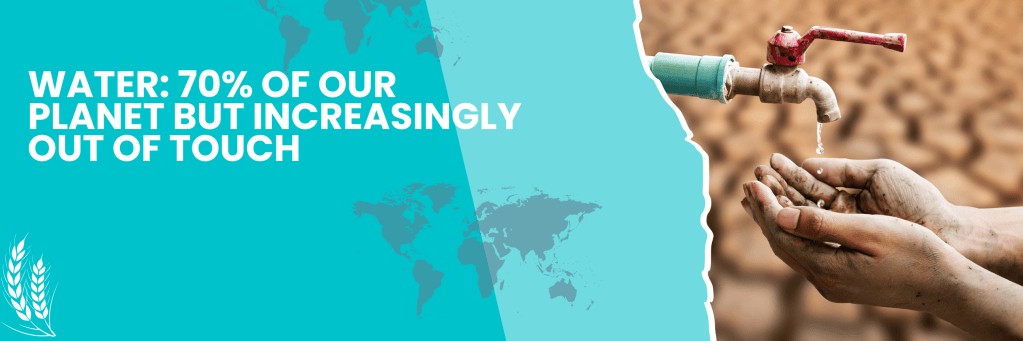
With global water levels for agriculture plummeting by a staggering 20% over the past two decades, the urgency of addressing water scarcity has never been more pronounced. Amidst this crisis, the effectiveness of rainfed versus irrigated agriculture emerges as a pivotal factor in determining the fate of millions facing hunger worldwide.
Picture vast expanses of arid land, parched crops withering under the scorching sun, and communities grappling with the cruel reality of dwindling water sources. As we confront the stark truth of water scarcity’s grip on agricultural productivity, it becomes abundantly clear that the key to unlocking a sustainable solution lies in the transformative power of irrigated agriculture. Join us as we delve into the depths of this pressing issue, exploring how the scarcity of water is both a barrier and a catalyst for change in the fight against global hunger.
Navigating Environmental Uncertainties: Transitioning from Rainfed to Irrigated Agriculture
Rainfed agriculture, relying solely on rainfall for irrigation, faces increasingly difficult challenges in the wake of climate change. The unpredictability of weather patterns, coupled with prolonged droughts and erratic rainfall, poses significant threats to crop yields and food security. Smallholder farmers, predominantly practicing rainfed agriculture, bear the brunt of these challenges, struggling to sustain their livelihoods amidst environmental uncertainties.
So, what’s the solution? Enter irrigated agriculture, a method that provides a reliable water supply to crops, thereby mitigating the risks associated with rainfed farming. However, access to irrigation systems remains unevenly distributed, with many smallholder farmers, particularly in low-income countries, lacking the resources and infrastructure necessary to adopt this technology.
Empowering Farmers: Strategies for Inclusive Access to Irrigated Agriculture
We firmly believe in democratising access to irrigated agriculture as a sustainable solution to hunger. Here’s how we can make it accessible to all:
- Investment in Infrastructure: By channelling resources into the development of irrigation infrastructure, we can expand access to water for agricultural purposes. This includes the construction of dams, reservoirs, and irrigation channels, as well as the promotion of water-efficient irrigation techniques such as drip irrigation.
- Capacity Building and Education: Empowering farmers with the knowledge and skills to implement and manage irrigation systems is crucial. Through training programs and extension services, we can equip farmers with the expertise needed to maximize the benefits of irrigated agriculture while minimizing water usage and environmental impact.
- Technology Innovation: Embracing technological advancements in irrigation, such as solar-powered pumps and precision irrigation systems, can enhance efficiency and affordability. By fostering innovation in this field, we can make irrigated agriculture more accessible and sustainable for smallholder farmers.
Bridging Agricultural Divides for Global Food Security and Resilience
By bridging the gap between rainfed and irrigated agriculture, we not only bolster food production but also enhance resilience to climate change and promote sustainable development. The benefits extend beyond rural settings, as improved agricultural productivity contributes to food security in urban areas as well.
In rural communities, access to irrigated agriculture means increased crop yields, diversified livelihoods, and poverty reduction. Families can produce surplus crops for sale, generating income to meet their basic needs and invest in education and healthcare. Moreover, stable food production fosters economic growth and stability at the local and national levels, creating opportunities for prosperity and development.
In urban centres, where a significant portion of the global population resides, access to affordable and nutritious food is paramount. By boosting agricultural productivity through irrigated agriculture, we can alleviate pressure on food supply chains and ensure a steady food supply for urban dwellers. This, in turn, reduces food insecurity, malnutrition, and the risk of social unrest, fostering healthier and more resilient communities.
The journey towards a hunger-free world begins with recognising the disparities in agricultural practices and advocating for inclusive solutions. By championing accessible and sustainable irrigated agriculture, we can nourish hope for millions of people around the globe, paving the way for a future where no one goes to bed hungry.

 Do More. Technology Re-imagined.
Leave a comment