
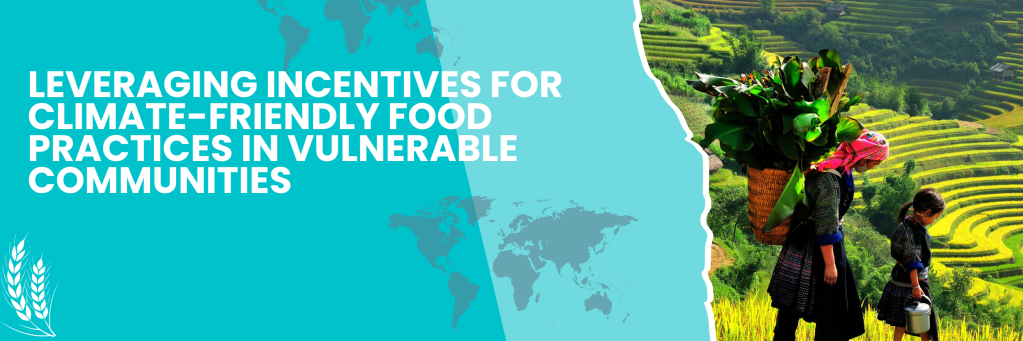
In developing regions, where poverty and food insecurity are often most acute, the need for sustainable and climate-resilient food production practices is critical. Encouraging these practices not only addresses environmental challenges but also directly supports the fight against hunger. This blog explores how strategic incentives can promote climate-friendly food production and distribution in communities facing high levels of poverty and food insecurity, ultimately contributing to long-term food security and economic stability.
The Importance of Climate-Resilient Agriculture
Climate change poses a significant threat to food production, especially in developing regions. Unpredictable weather patterns, prolonged droughts, and flooding can devastate crops, leaving communities without adequate food supplies. Climate-resilient agriculture, which includes practices such as drought-resistant crops, agroforestry, and efficient water use, is essential in building the capacity of these communities to withstand environmental shocks. By providing incentives, such as subsidies for adopting sustainable practices or access to premium markets for climate-friendly products, governments and organizations can motivate farmers to transition to more resilient methods, ensuring food security even in the face of climate challenges.
Incentivizing Sustainable Food Distribution
While sustainable production is crucial, equitable distribution is equally important. In many developing communities, food distribution systems are inefficient, leading to significant food loss and waste. Incentivizing sustainable distribution practices, such as cold chain logistics, local food hubs, and reduced transportation emissions, can help ensure that food reaches those who need it most, without harming the environment. These incentives could take the form of tax breaks for companies investing in green logistics or grants for community-led distribution initiatives. By improving distribution systems, we can reduce food loss, lower costs, and enhance access to nutritious food in impoverished regions.
Empowering Local Innovators
Local entrepreneurs and innovators are often best positioned to understand and address the specific challenges their communities face. Encouraging climate-friendly food practices through targeted incentives can empower these local leaders to develop innovative solutions that are both sustainable and culturally relevant. For example, offering seed funding or mentorship programs for startups focused on eco-friendly agriculture and food distribution can catalyze the growth of sustainable businesses that contribute to both environmental preservation and hunger reduction. These local innovations can then serve as models for other regions, fostering a broader impact across developing communities.
The Role of Impact Investors and Philanthropists
Impact investors and philanthropists have a unique opportunity to drive the adoption of climate-friendly food practices in developing communities. By providing financial support to startups and initiatives that prioritize sustainability, these investors can help scale innovative solutions that reduce hunger while protecting the environment. Additionally, by aligning their investments with global climate goals, investors can ensure that their contributions not only yield social returns but also contribute to the long-term resilience of vulnerable communities. Encouraging collaboration between investors, governments, and local innovators can amplify the impact of these efforts, creating a more sustainable and equitable food system worldwide.
Building a Sustainable Future Together
The path to a sustainable future requires collective action. By incentivizing climate-friendly food production and distribution practices, we can address the dual challenges of hunger and environmental degradation in developing communities. Governments, NGOs, impact investors, and local entrepreneurs all have a role to play in this effort. Together, we can create resilient food systems that not only feed the world but also protect the planet for future generations.

 Do More. Technology Re-imagined.
Leave a comment