
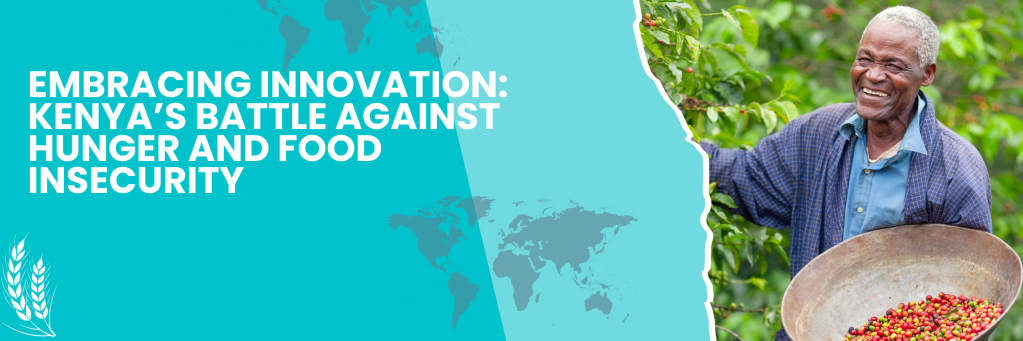
Kenya, a vibrant nation with diverse landscapes and cultures, has long struggled with food insecurity. Droughts, high food prices, and limited access to modern agricultural technologies are persistent challenges. However, local innovators are stepping up with creative, sustainable solutions that are transforming the food landscape. From solar-powered irrigation to smartphone apps connecting farmers with markets, Kenya is becoming a hotbed of innovative solutions in the fight against hunger.
Solar-Powered Irrigation: Lighting the Way Forward
One of the standout innovations reshaping agriculture in Kenya is solar-powered irrigation. Companies like Futurepump are making it possible for smallholder farmers to irrigate their crops without relying on expensive and environmentally harmful diesel pumps. By harnessing the power of the sun, these systems are reducing costs, increasing yields, and allowing farmers to grow food even in dry seasons. This technology is not only helping to secure food supplies but also promoting environmental sustainability—a crucial factor in combating hunger.
Mobile Apps: Connecting Farmers to Markets and Information
Access to real-time market data and agricultural advice has been a game-changer for Kenyan farmers. Mobile apps like DigiFarm and iCow provide farmers with vital information on best farming practices, weather forecasts, and market prices. These apps are empowering farmers to make informed decisions, increase productivity, and connect directly with buyers, bypassing traditional barriers that have kept profits low. The result is a more resilient and informed farming community that can better withstand economic shocks and environmental challenges.
Innovations in Food Preservation: Reducing Post-Harvest Losses
Post-harvest losses account for a significant portion of food insecurity in Kenya. Innovations like cold storage facilities and improved packaging materials are helping to extend the shelf life of produce, reducing waste, and ensuring that more food reaches consumers. Startups are developing affordable, solar-powered cold storage units that can be used in remote areas without access to electricity. These solutions are critical in a country where up to 30% of food is lost after harvest, particularly affecting perishable items like fruits and vegetables.
Community-Based Approaches: Empowering Local Solutions
Community-based organizations are at the forefront of innovative approaches to food security. By involving local communities in the development and implementation of solutions, these initiatives ensure that interventions are culturally appropriate and sustainable. For example, programs that train women in urban farming techniques not only improve household nutrition but also provide additional income streams. These grassroots efforts are crucial in building a more inclusive food system that works for everyone, especially the most vulnerable populations.
Funding and Mentorship: The Need for Greater Support
While the potential for innovation in Kenya is immense, many local startups and initiatives face significant barriers, including limited access to funding and mentorship. Philanthropists, impact investors, and international organizations can play a crucial role in bridging this gap. By providing the necessary resources and support, they can help scale these innovative solutions, turning small successes into large-scale impacts that can fundamentally alter the food security landscape in Kenya and beyond.

 Do More. Technology Re-imagined.
Leave a comment