
Author: DMTR
-

dmtr launches on social media!
Meet Arian and Lucy, the faces behind dmtr. We are excited to share, that over the past weeks, we have been working on preparations for taking dmtr to social media channels. We’ve be working on research, ideas, video plans and more to share more news about the latest developments in agricultural technology and to help…
-

How much would it cost to end world hunger?
If you google ‘how much does it cost to end world hunger?’ the first results you will find provide figures ranging from $7 billion to $265 billion per year. I will start this post reiterating the same point I make in each of my posts – as one of it’s sustainable development goals the UN…
-

Growing hunger and the potential of technology
Today, with a population of ~7.5 billion there remains over 820 million people who are chronically hungry. Despite significant progress in the fight against world hunger over the last few decades, driven by economic growth and improvements in agricultural efficiency, the last few years have seen the number of undernourished people globally start to rise…
-

Seeing the impact of COVID on UK Food Banks
A Worrying Trend Coronavirus has had devastating impacts around the world, particularly for those who were already vulnerable, including at home here in the UK. As well as the rising number of deaths, hundreds of thousands of people are being driven into financial hardship. Whilst government measures like the furlough scheme and temporary increases to…
-

Big data and mobile delivery driving agricultural transformation
The world’s population is expected to grow to almost 10 billion by 2050, boosting agricultural demand. To meet this demand, as a global population, we will need to look to: Looking right at the beginning of the supply chain, tackling agricultural productivity and efficiency will enable an increase in supply utilising existing resources, particularly in…
-
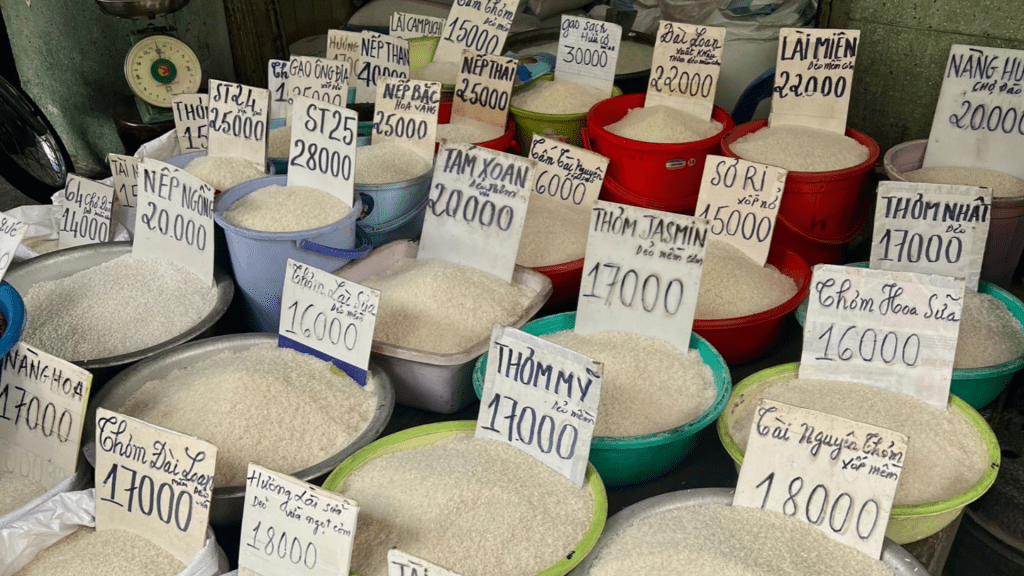
Today’s cost of fighting against hunger
How much is being spent to tackle hunger and malnutrition? After many nights of reading through papers by the likes of the UN and WHO, data on government domestic and international spending as well as releases and annual reports of some of the largest charities fighting hunger globally – the truth is I couldn’t confidently…
-

Tackling hunger in the 21st Century
Today, with a population of ~7.5 billion there remains over 820 million people who are chronically hungry. Population growth, increasing frequencies of conflicts and natural disasters, as well as persistent poverty and inequality threaten to drive up the number of people going hungry, above its already high rate. A combination of policy changes, economic programmes…
-
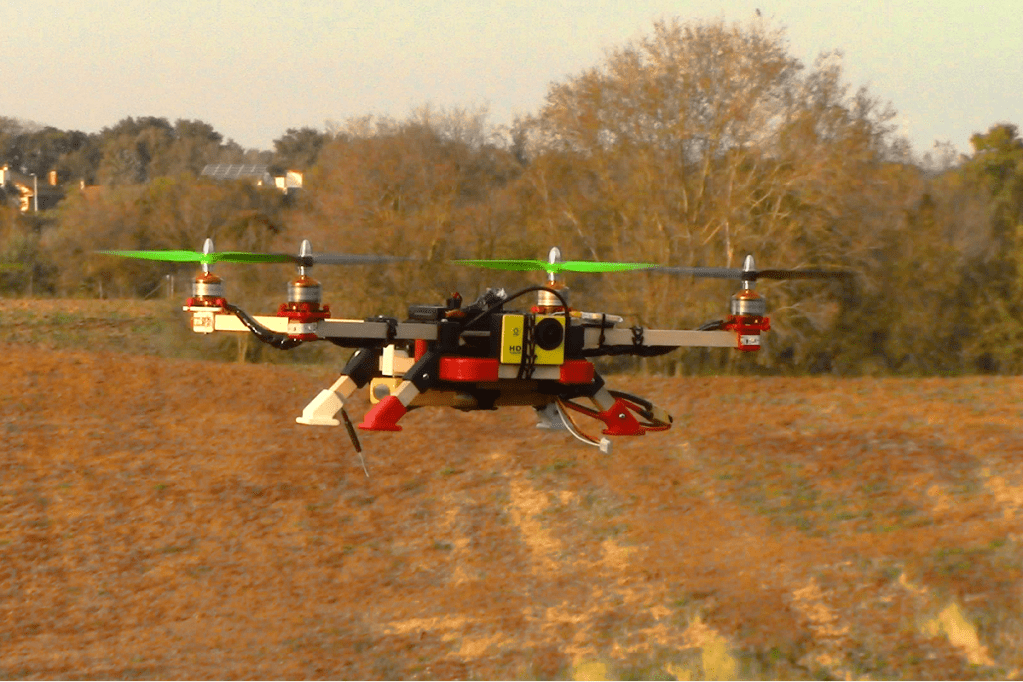
Innovating to End Hunger: A promising Trend
A lot remains to be done to significantly reduce the number of people who wake up every day hungry and malnourished – today that is over 700 million men, women and children. Outside of tackling the increasing amount of conflict across the globe, responsible for extremely high levels of hunger and poverty in countries like…
-
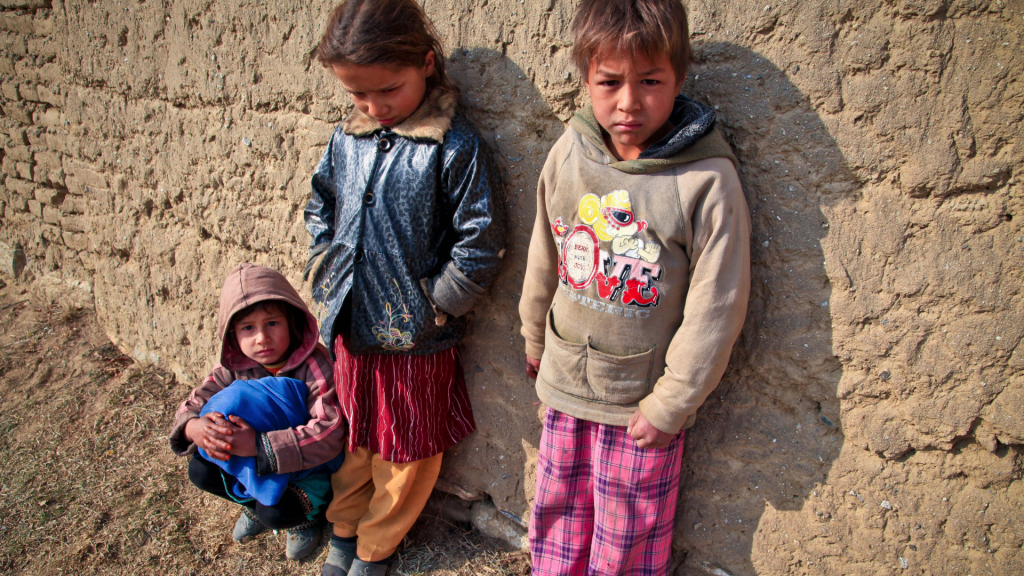
Hunger and Conflict: A Corrosive Cycle
Today, with a population of ~7.5 billion there remains over 820 million people who are chronically hungry. Conflict is a topic that I have briefly mentioned in previous posts, often called out as one of the largest contributors to global hunger but never a topic I have dared to tackle in any sort of detail.…
-

Breaking the Cycle of Poverty and Malnutrition
With hundreds of millions people worldwide suffering from severe food insecurity, the current level of effort is not anywhere near enough to end malnutrition in the next decade, with a need to focus on increasing efforts in providing access to nutritious food. Poor nutrition in children in particular drives a cyclical relationship between malnutrition and…
 Do More. Technology Re-imagined.