
Category: food insecurity
-

The Urgent Need for Innovation in Ending Global Hunger
The persistent issue of global food insecurity remains a challenge that demands urgent attention and multifaceted solutions. The State of Food Security and Nutrition in the World 2023 report sheds light on the pressing need for accelerated innovation and investment in technologies to address the complex challenges causing food insecurity. This report, compiled by the…
-
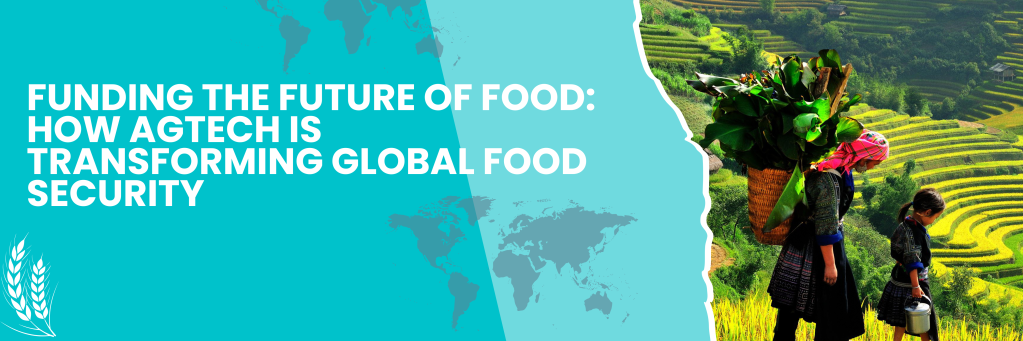
Funding the Future of Food: How AgTech is Transforming Global Food Security
The global food system is facing unprecedented challenges. Climate change, population growth, and resource scarcity are placing immense pressure on agriculture, making innovation not just an advantage but a necessity. While advancements in technology offer a promising future for food production, the real challenge lies in ensuring these solutions are accessible, especially to the farmers…
-
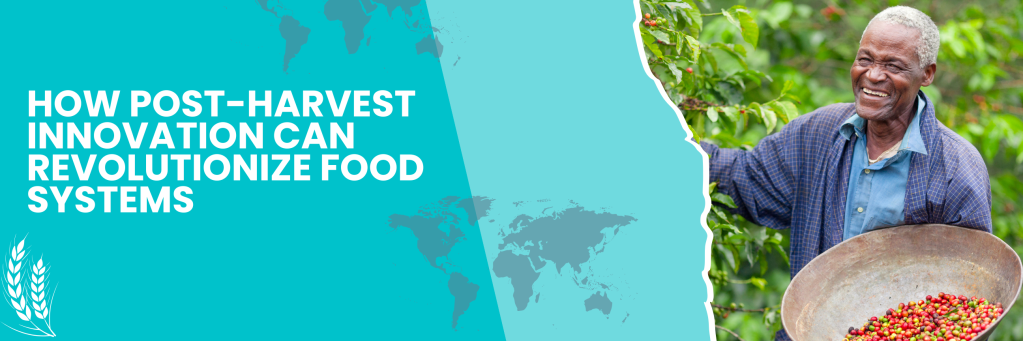
How Post-Harvest Innovation Can Revolutionize Food Systems: Insights from The Social AgTech Podcast
The latest episode of The Social AgTech Podcast dives deep into one of agriculture’s most pressing issues: post-harvest loss. Featuring William Lanier, CEO of NeverIdle Farms and Consulting Limited, the episode unpacks the systemic challenges contributing to food insecurity in sub-Saharan Africa and explores innovative solutions to transform agriculture. For startups, impact investors, and changemakers…
-
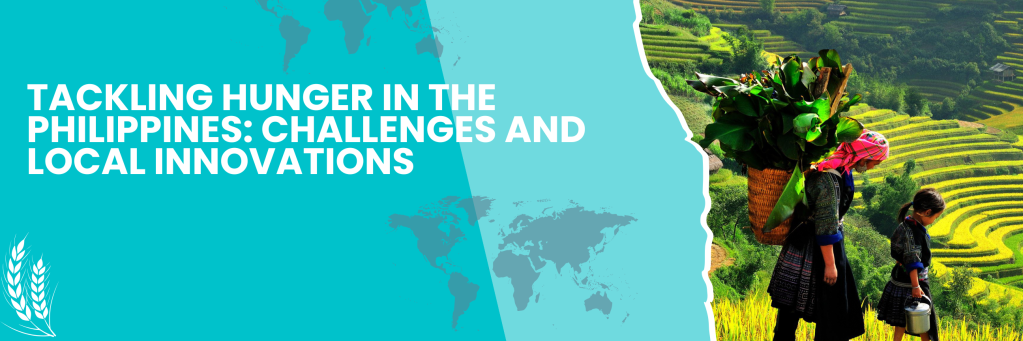
Tackling Hunger in the Philippines: Challenges and Local Innovations
Understanding Food Insecurity in the Philippines The Philippines, a vibrant archipelago of over 110 million people, is no stranger to food insecurity. According to recent Food and Agricultual Organisation (FAO) statistics, close to 45% of the Filipino population experienced moderate or server food insecurity between 2021 and 2023, a staggering number that underscores the depth…
-
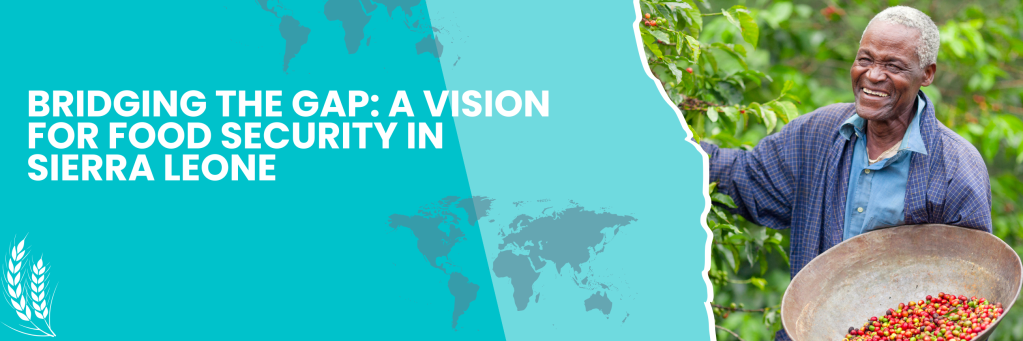
Bridging the Gap: A Vision for Food Security in Sierra Leone
In Sierra Leone, a nation blessed with fertile lands and abundant water resources, the paradox of food insecurity looms large. Despite its agricultural potential, the country imports 80% of its food. This stark reality highlights the systemic challenges facing smallholder farmers, from limited access to technology and resources to socio-economic barriers that stifle progress. Yet,…
-
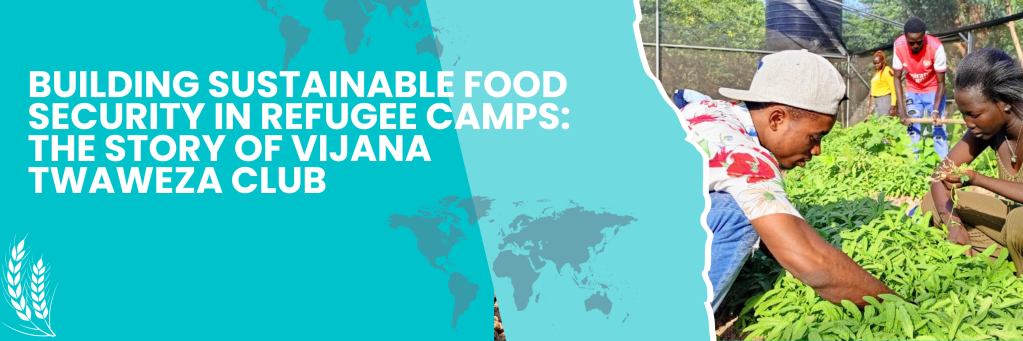
Building Sustainable Food Security in Refugee Camps: The Story of Vijana Twaweza Club
In the face of adversity, there are often individuals who rise above to create impactful, lasting change. One such individual is Wa Luundo, a refugee from the Democratic Republic of Congo, who founded the Vijana Twaweza Club, a refugee-led initiative focused on improving food security in the Kakuma Refugee Camp in Kenya. His journey, which…
-
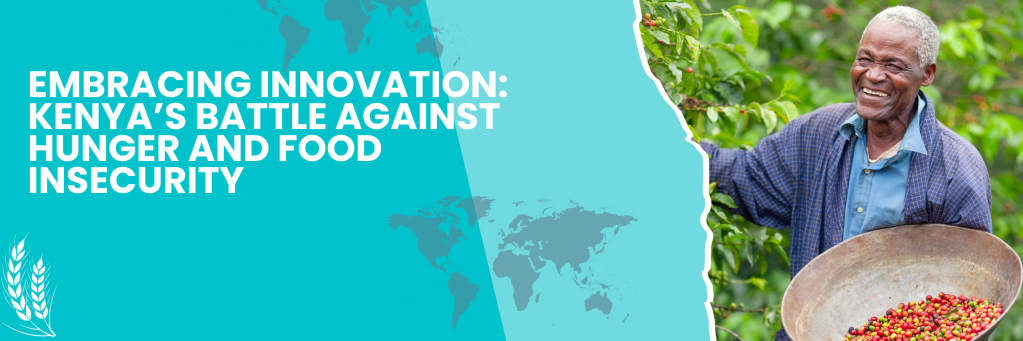
Embracing Innovation: Kenya’s Battle Against Hunger and Food Insecurity
Kenya, a vibrant nation with diverse landscapes and cultures, has long struggled with food insecurity. Droughts, high food prices, and limited access to modern agricultural technologies are persistent challenges. However, local innovators are stepping up with creative, sustainable solutions that are transforming the food landscape. From solar-powered irrigation to smartphone apps connecting farmers with markets,…
-
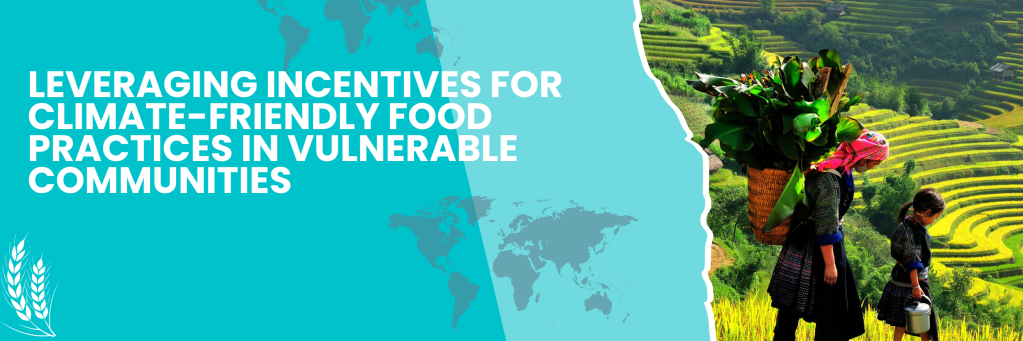
Leveraging Incentives for Climate-Friendly Food Practices in Vulnerable Communities
In developing regions, where poverty and food insecurity are often most acute, the need for sustainable and climate-resilient food production practices is critical. Encouraging these practices not only addresses environmental challenges but also directly supports the fight against hunger. This blog explores how strategic incentives can promote climate-friendly food production and distribution in communities facing…
-
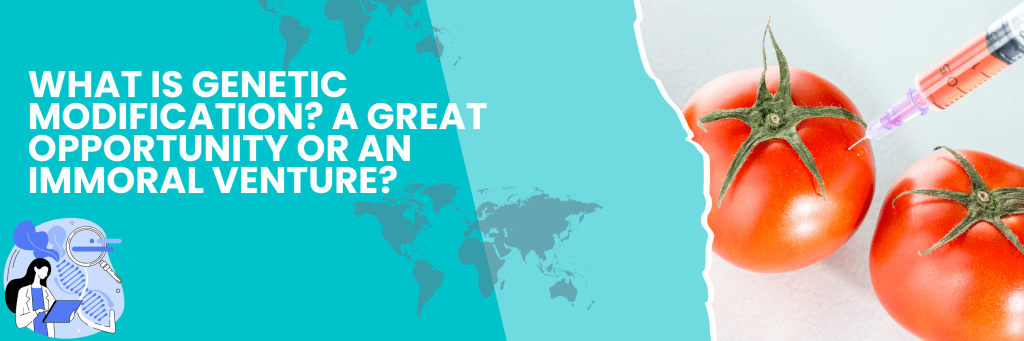
What is Genetic Modification? A Great Opportunity or an Immoral Venture?
In our quest to reduce global hunger, genetic modification (GM) emerges as a powerful yet contentious tool. With its potential to revolutionize agriculture and improve food security, GM raises a fundamental question: Is it a great opportunity or an immoral venture? Understanding Genetic Modification Genetic modification involves altering the DNA of organisms to introduce new…
-
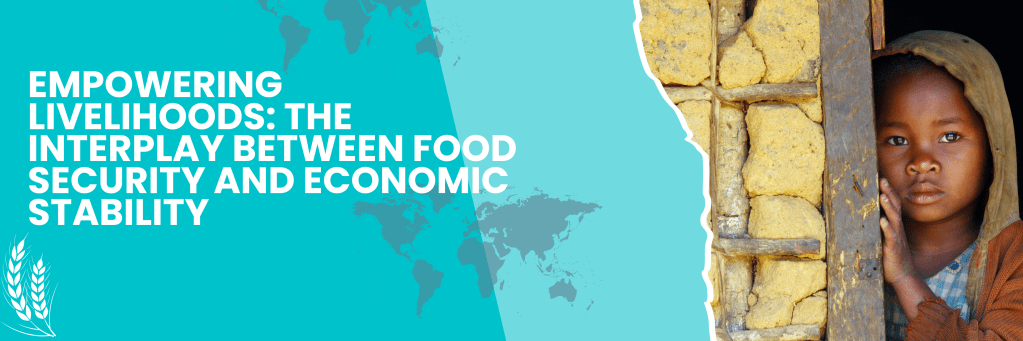
Empowering Livelihoods: The Interplay Between Food Security and Economic Stability
The relationship between food security and livelihoods is essential for building resilient communities. In today’s world, it’s crucial to recognize that food security is more than just supplying food; it involves fostering sustainable livelihoods that enable individuals and communities to thrive. Let’s explore how innovative approaches and technology can improve food security and livelihoods for…
 Do More. Technology Re-imagined.