
Category: food insecurity
-
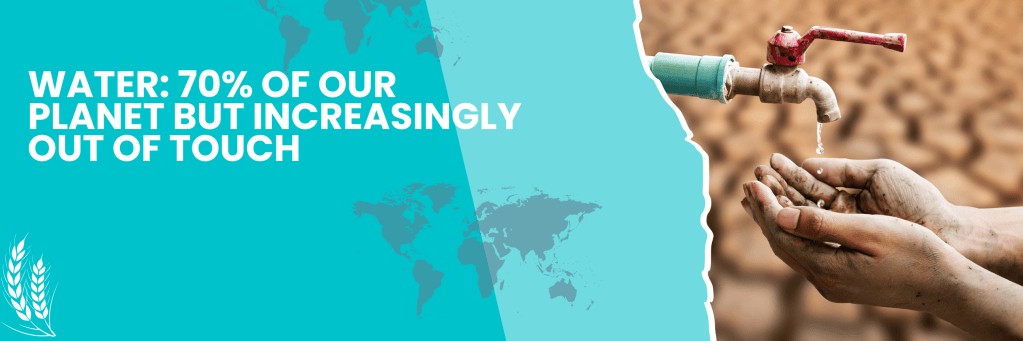
Water: 70% of our planet but increasingly out of touch
With global water levels for agriculture plummeting by a staggering 20% over the past two decades, the urgency of addressing water scarcity has never been more pronounced. Amidst this crisis, the effectiveness of rainfed versus irrigated agriculture emerges as a pivotal factor in determining the fate of millions facing hunger worldwide. Picture vast expanses of…
-
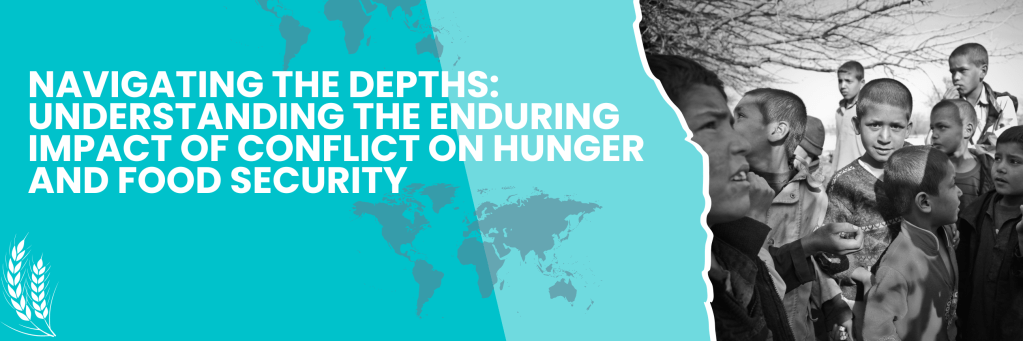
Navigating the Depths: Understanding the Enduring Impact of Conflict on Hunger and Food Security
In the intricate tapestry of the 21st century, global conflicts weave a complex narrative that extends far beyond the battlefield. Among the myriad consequences of conflict, few are as pervasive and far-reaching as its profound impact on food security and hunger levels. From the war-torn landscapes of Yemen and Ukraine to the besieged streets of…
-
Accelerating Innovation and Investment to Tackle Food Insecurity: Insights from The State of Food Security and Nutrition in the World 2023 Report
Introduction The persistent issue of global food insecurity remains a challenge that demands urgent attention and multifaceted solutions. The State of Food Security and Nutrition in the World 2023 report sheds light on the pressing need for accelerated innovation and investment in technologies to address the complex challenges causing food insecurity. This report, compiled by…
-

N-drip: Empowering Smallholder Farmers with Gravity Driven Irrigation
In a world grappling with the challenges of hunger and food security, the role of technology in transforming agriculture cannot be understated. One company that is at the forefront of this agritech revolution is N-drip. With their groundbreaking irrigation systems using just the power of gravity, N-drip is revolutionizing the way we produce food, making…
-

Achieving Zero Hunger In The Age of AI
AI isn’t going to eradicate hunger on its own but it’s going to be such a powerful tool to help all of us finally make that goal a reality! Unless you’ve been living under a rock for the past 6 months you will have undoubtedly heard about ChatGPT and the countless different AI tools coming…
-
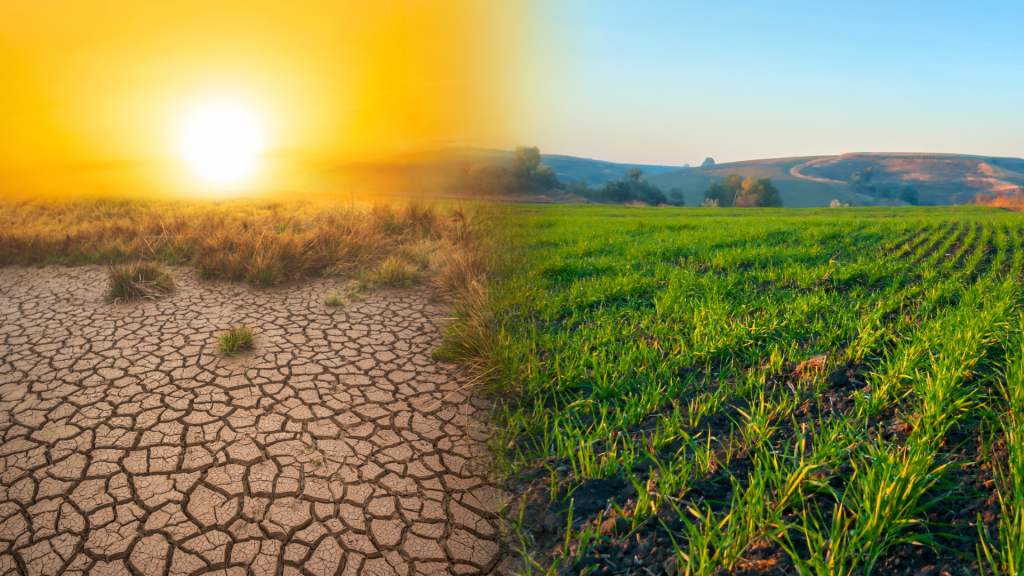
Feeding 10 Billion in 2050, without killing our planet
It’s devastating to think that 800 Million people are going hungry every day, while at the same time, we produce enough food that nobody should be going hungry. Further, every year we are wasting a staggering 1.6 Billion tons of food. By 2050, the world’s population is estimated to go up to just short of…
-

How much would it cost to end world hunger?
If you google ‘how much does it cost to end world hunger?’ the first results you will find provide figures ranging from $7 billion to $265 billion per year. I will start this post reiterating the same point I make in each of my posts – as one of it’s sustainable development goals the UN…
-
Growing hunger and the potential of technology
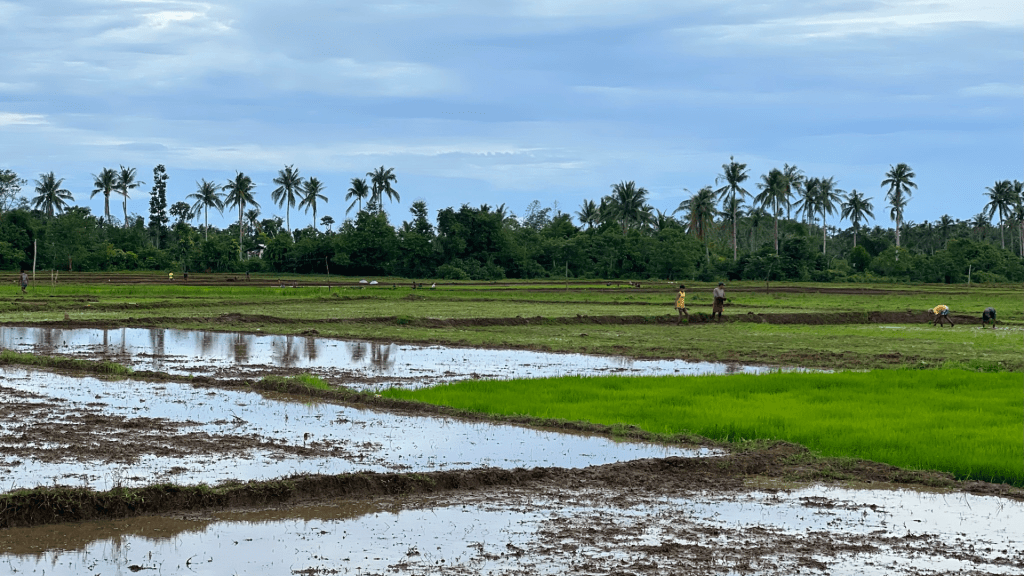
Today, with a population of ~7.5 billion there remains over 820 million people who are chronically hungry. Despite significant progress in the fight against world hunger over the last few decades, driven by economic growth and improvements in agricultural efficiency, the last few years have seen the number of undernourished people globally start to rise…
-
Today’s cost of fighting against hunger
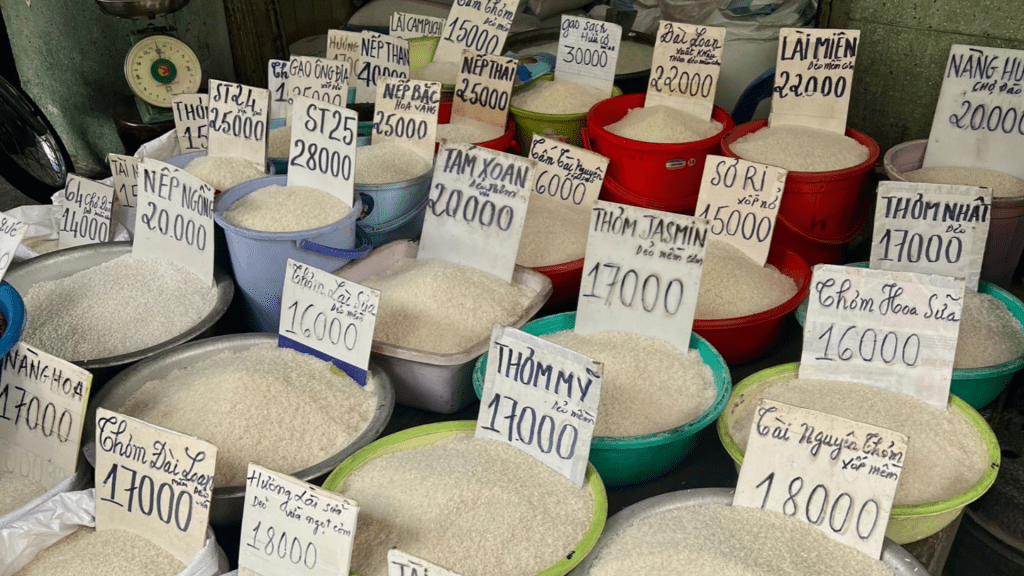
How much is being spent to tackle hunger and malnutrition? After many nights of reading through papers by the likes of the UN and WHO, data on government domestic and international spending as well as releases and annual reports of some of the largest charities fighting hunger globally – the truth is I couldn’t confidently…
-
Tackling hunger in the 21st Century
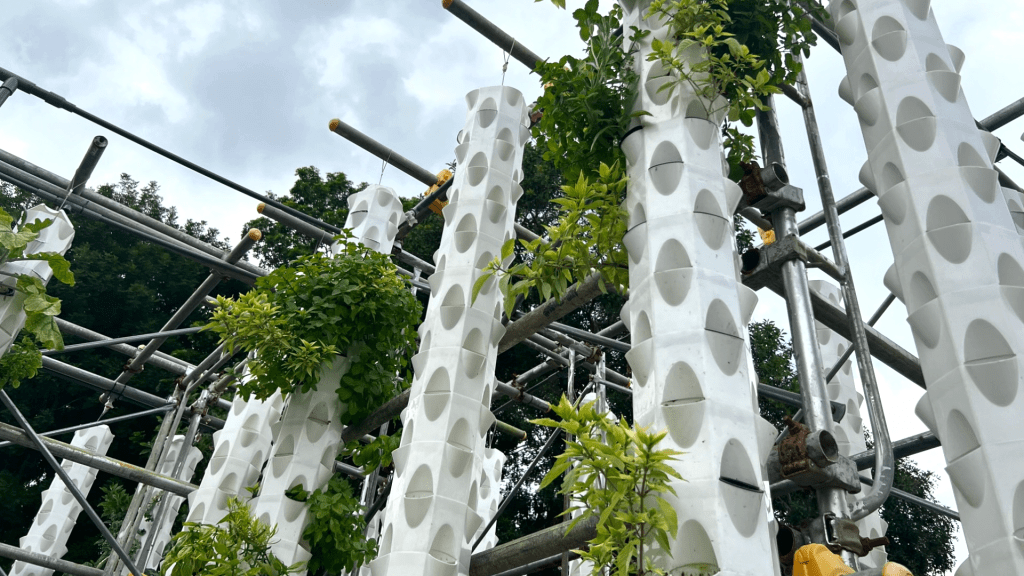
Today, with a population of ~7.5 billion there remains over 820 million people who are chronically hungry. Population growth, increasing frequencies of conflicts and natural disasters, as well as persistent poverty and inequality threaten to drive up the number of people going hungry, above its already high rate. A combination of policy changes, economic programmes…
 Do More. Technology Re-imagined.